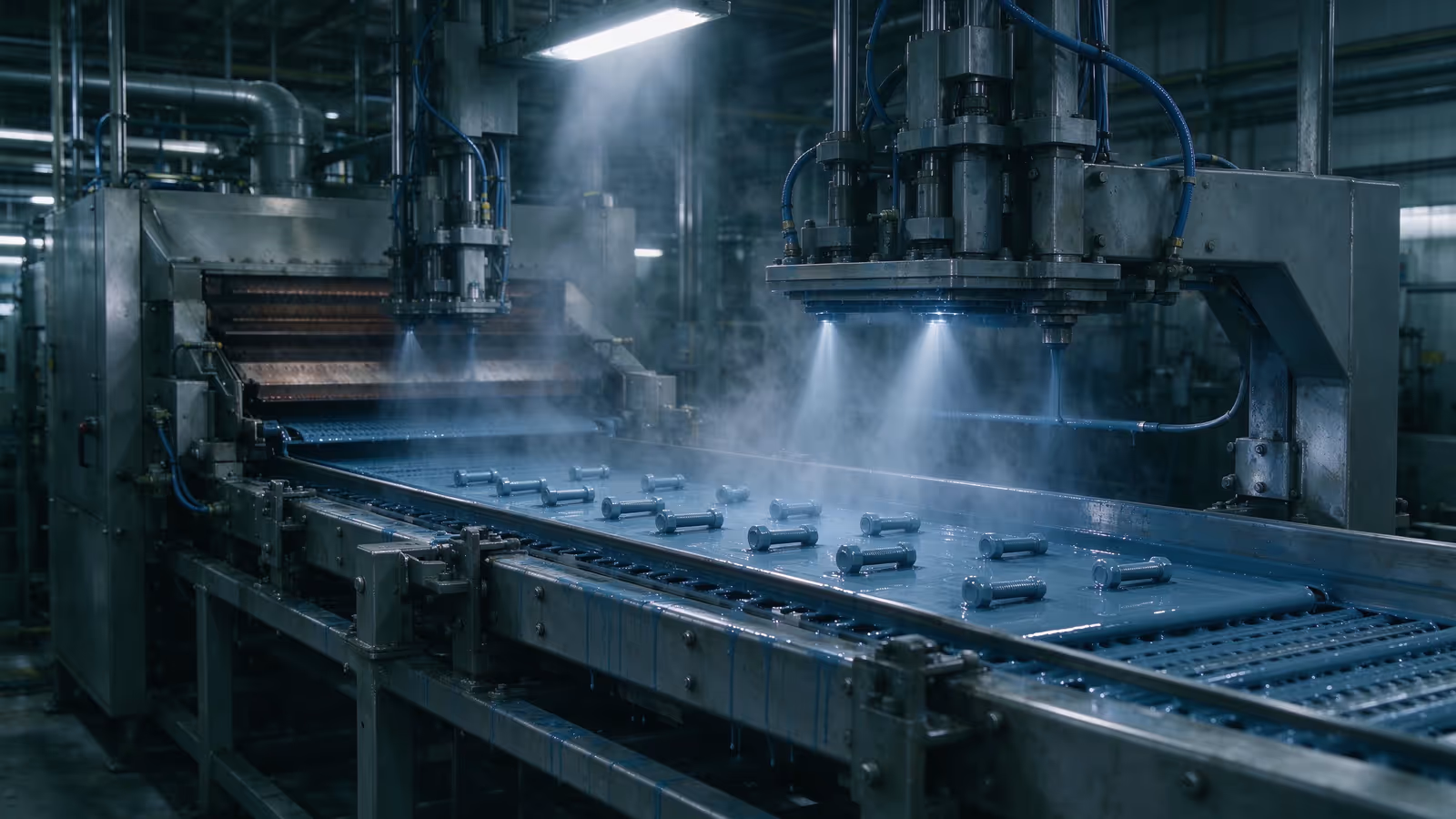
In modern automotive manufacturing, the fastener is easy to overlook — until a corroded bolt on a chassis, suspension or brake assembly begins to fail. Corrosion does more than spoil appearance: it alters friction, loosens clamping force, and eventually compromises the safety-critical joints that hold a vehicle together. For OEMs and tier suppliers, that risk shows up as warranty claims and recalls.
The Problem: Why Automotive Fasteners Corrode
Underbody fasteners face salt, road chemicals, moisture and heat cycles. Conventional electroplating provides limited protection and, in many cases, no longer meets the environmental and performance requirements of modern automotive specifications. The result is a fastener that looks finished on day one but fails protection targets long before the vehicle’s service life ends.
Our Solution: RoHS-Compliant Zinc-Aluminum Coating
BOL Chemistry supplies zinc-aluminum (Zn-Al) anti-corrosion coatings engineered to replace conventional electroplating. The coating provides:
- Uniform coverage over the whole thread and head geometry
- Strong salt-spray resistance that extends service life
- Stable, controlled friction for consistent tightening
- RoHS-compliant chemistry that meets automotive environmental requirements
System and Quality
Every batch is produced under IATF 16949 and ISO 9001 systems, with full traceability from raw material to finished part. The coating performs the same on the ten-thousandth part as on the first — the consistency OEM supply chains depend on.
Where It Applies
From suspension fasteners and chassis bolts to brake and powertrain hardware, we engineer the coating system to the corrosion requirement of each application and specification.